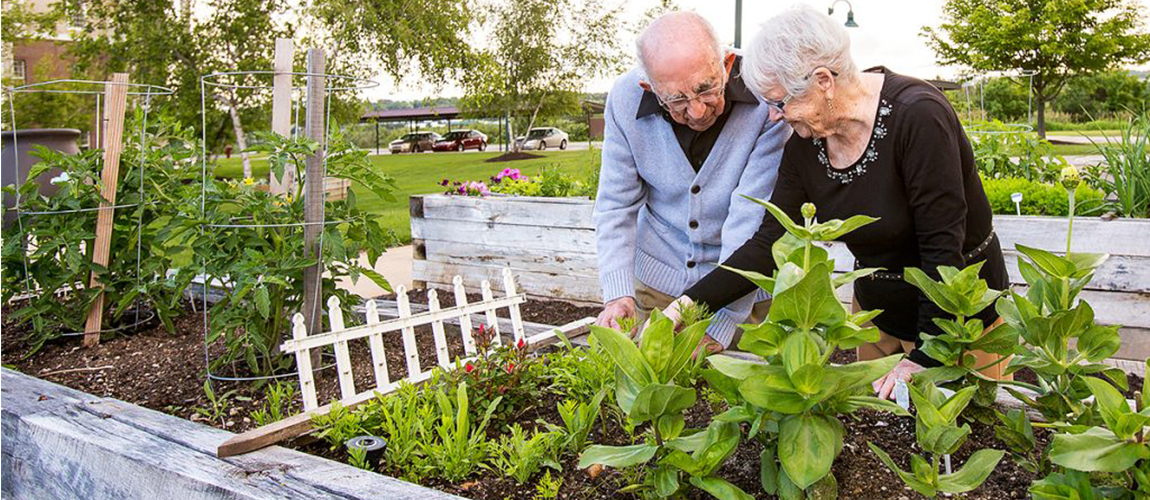
Designing a backyard retreat that invites fresh air, movement, and calm can greatly improve the quality of life for seniors. Whether an individual resides in a bustling suburb or within a vibrant senior living community, thoughtful pathway planning transforms a simple yard into an accessible oasis.
By focusing on safety, comfort, and ease of navigation, each garden stroll becomes an enjoyable, confidence-building activity that supports physical health and mental well-being for aging adults.
Assessing Mobility and Safety Needs
Before any paving stone is laid, caregivers and landscape designers should observe how seniors move through existing outdoor spaces. Some older adults walk steadily with canes, while others rely on wheelchairs or walkers; each mobility aid demands specific turning radii and surface textures. Measuring stride length, noting common tripping hazards, and documenting areas where shadows obscure ground level help professionals create pathways that anticipate challenges rather than react to them later.
Incorporating gentle curves instead of abrupt angles prevents disorientation, and establishing a clear line of sight from the doorway to the garden focal point reassures seniors that help is nearby if needed. The goal is a route that nurtures confidence, not caution.
Choosing Durable, Non-Slip Materials
Material selection profoundly affects both safety and long-term maintenance. Smooth concrete with a broom finish offers excellent traction in wet conditions, while resin-bound gravel provides permeability without the loose stones that often catch on senior footwear. Large, even pavers minimize joints where weeds sprout, or wheels snag, and contrasting colors between path and surrounding beds help aging eyes discern boundaries more easily.
Whichever material is chosen, edges should remain level with adjacent turf or mulch to avoid unseen lips that cause trips. Routine sealing and seasonal cleaning preserve grip and appearance, ensuring seniors continue to traverse the space comfortably year after year without sudden surprises.
Incorporating Gentle Gradients and Rest Stops
Elevation changes bring visual interest but can quickly overwhelm seniors when slopes are too steep. As a rule of thumb, pathways should not exceed a 1:20 gradient; when a greater rise is unavoidable, installers can alternate short ramps with flat landings to create a stepped incline that resets balance and breathing.
Integrating strategically placed benches—ideally with armrests and backs—invites gardeners to pause, admire blooms, and regulate heart rate before proceeding. Shade structures or pergolas near these rest spots protect sensitive skin from harsh sun, while nearby water features provide soothing ambient sound that encourages longer, more frequent visits to the yard.
Enhancing Navigation with Lighting and Landmarks
Clear visual cues reduce anxiety and foster independence. Solar-powered bollard lights or low-voltage LED strips mounted along path edges illuminate surface changes during dusk walks without producing glare. Raised planters filled with fragrant herbs such as lavender or rosemary serve as tactile and olfactory anchors, guiding seniors toward seating areas even if eyesight diminishes.
Color-coded planters—cool tones for shady corners, warm hues for sunny stretches—further reinforce mental maps of the garden’s layout. Finally, installing a modest handrail on at least one side of longer routes provides both physical support and psychological assurance, particularly when grandchildren join seniors for evening rambles.
Conclusion
Well-planned garden pathways allow seniors to savor nature’s rhythms with security and dignity. By assessing mobility requirements, selecting slip-resistant materials, moderating slopes, and enriching navigation through thoughtful lighting and sensory landmarks, designers craft outdoor environments that nurture active aging.
The resulting space invites daily exploration, gentle exercise, and treasured intergenerational moments—proving that meticulous pathway planning is more than a construction project; it is an investment in seniors’ lifelong connection to the restorative power of the garden.

Leave a Reply