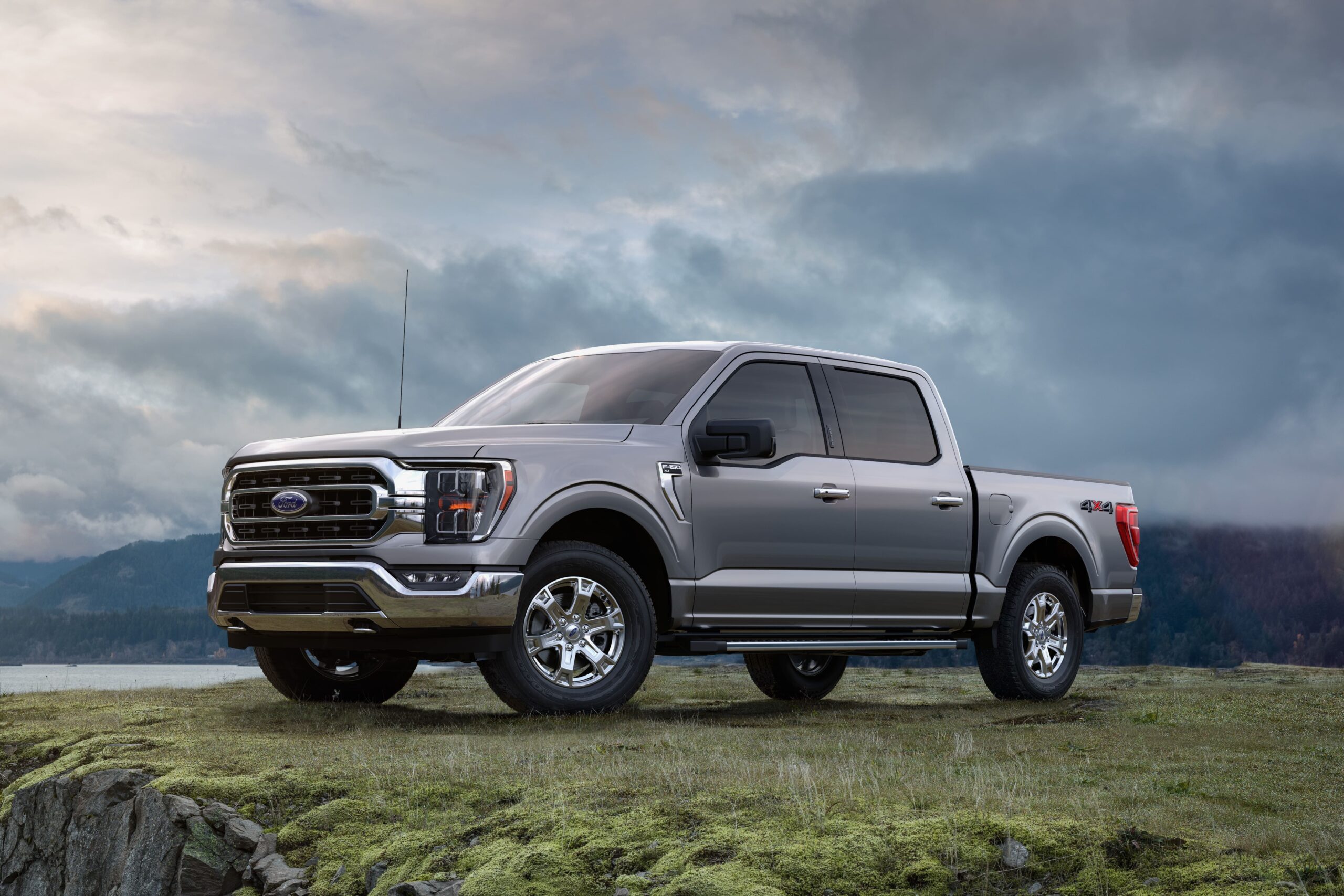
A diesel truck can feel strong right out of the gate. Still, many drivers want smoother shifts, better throttle response, and more control over how the truck behaves on the road. That is where tuning enters the picture. For owners who want to change how their truck reacts under load, on the highway, or while towing, a product like sct tuner often comes up in the conversation.
Tuning is not a new idea. Drivers and mechanics have adjusted fuel and timing settings for decades. What has changed is the rise of handheld programmers and software that let owners adjust settings with far more ease than old-school shop work. Today, tuning tools can shift how a truck feels in daily use, from firmer power delivery to smoother gear changes.
This article explains what a tuner does, what terms like “calibration” and “data logging” mean, and how diesel owners can think about tuning in a practical way. It also looks at benefits, risks, and the kinds of results people often expect.
What a Diesel Tuner Does
A diesel tuner changes the factory settings in a truck’s engine control unit, or ECU. The ECU is the computer that manages fuel delivery, timing, boost pressure, and other engine functions. In plain terms, it tells the truck how to act.
Most factory settings aim for a middle ground. That means safe operation, long part life, and wide appeal for different drivers. A tuner can adjust those settings so the truck behaves in a way that suits a certain job, such as towing a trailer or cruising with less lag in throttle response.
Common changes include:
- Throttle response
- Shift points in automatic transmissions
- Fuel delivery timing
- Speed limiter settings
- Power output levels
- Towing-focused calibration
Common Terms Explained
A few terms come up often in diesel tuning:
- Calibration: A set of programmed settings that changes how the engine runs.
- ECU: The truck’s main engine computer.
- Data logging: Recording live engine data while the truck runs.
- Throttle response: How fast the truck reacts after the pedal is pressed.
- Shift schedule: The pattern the transmission uses for gear changes.
These terms can sound technical, yet each one refers to a simple idea: how the truck behaves under real driving conditions.
Why Owners Look at Tuning
Drivers usually think about tuning for a few reasons. Some want better pulling power for work. Some want cleaner gear changes. Others want the truck to feel less sluggish in stop-and-go traffic.
A 2023 report from the U.S. Energy Information Administration showed that light-duty trucks remain one of the most common vehicle types in the United States. That matters since a large truck market gives tuning a wide audience. Many owners use their trucks for both work and family travel, so they want a setup that feels strong without being hard to live with.
A truck owner in Texas once described his stock diesel as “solid, but lazy off the line.” After a tune from a local shop, he said the truck felt more alert and easier to drive in town. That kind of feedback is common. Owners often report that the biggest change is not raw speed, but better control and less hesitation.
How Tuning Affects Daily Driving
A tuned truck can feel different in small but useful ways. The biggest changes often show up in the first few seconds after pressing the pedal or while climbing a grade with a trailer.
Here is a simple look at common driving changes:
| Driving Area | Stock Feel | Tuned Feel |
|---|---|---|
| City driving | Soft throttle, slow response | Quicker response, less lag |
| Highway merging | Builds power more slowly | Pulls harder when needed |
| Towing | May downshift often | Better shift timing under load |
| Hill climbs | Can feel strained | Holds speed with less effort |
| Stop-and-go traffic | Can feel heavy | Feels more eager |
A tune does not change the laws of physics. A heavy truck still weighs a lot, and a large trailer still takes power to move. What a tune can do is help the truck use its power in a smarter way.
Factory Limits and Aftermarket Changes
Automakers set factory limits for many reasons. They need to meet emissions rules, protect the engine under many climates, and avoid claims from drivers with different habits. That means stock settings often leave room for adjustment.
Aftermarket tuning changes those settings in a way that matches a driver’s needs more closely. In many cases, the change comes through a handheld device or flash programmer. The device loads a new calibration into the ECU, then stores the factory file so it can be restored later.
That restore feature matters. It gives owners a way to return to the stock tune for service visits, resale, or a change in use. Many owners like that flexibility.
What Makes a Good Tuning Setup
A good tuning setup is not just about peak power. It should fit the truck, the engine, and the driver’s goals. A tow rig needs different settings than a weekend street truck.
Things Worth Checking
- Compatibility with the exact year, make, and engine
- Support for towing and daily driving
- Ease of use
- Clear instructions
- Data logging ability
- Reversible stock file
A reputable tuning source should also explain what each tune does. If one setting is labeled for towing, that should mean more stable power delivery and safer shift behavior under load. A race-style tune, by contrast, usually pushes harder and is not a fit for every driver.
“The best tune is the one that matches the job,” said one diesel shop manager in a trade interview. “A towing calibration and a hot street tune serve two different goals.”
A Simple Case Study
Take a 6.7L diesel owner who uses the truck to haul equipment four days a week. In stock form, the truck shifts often on steep roads and feels slow to react when pulling into traffic. After a mild tow tune, the owner notices fewer gear changes, better throttle feel, and less strain on hills.
That owner does not need extreme power. He needs steady power delivery and better control under load. In that case, a tune adds value by making the truck more useful in the real tasks it handles each week.
Now compare that with a commuter who uses a diesel truck for errands and highway trips. A light calibration that sharpens throttle response may be a better fit than a towing-focused setup. Both drivers use the same kind of tool, yet their needs differ.
Risks and Smart Use
Any change to engine software should be handled with care. Extra power can raise stress on parts if the tune is too aggressive or if the truck already has wear. Heat, fuel quality, maintenance, and load all matter.
Here are a few smart habits for owners:
- Keep up with oil and filter changes.
- Use good fuel from trusted stations.
- Watch engine temperatures.
- Avoid heavy towing with an aggressive tune.
- Read the instructions before loading a calibration.
The Society of Automotive Engineers has long noted that engine calibration affects emissions, fuel use, and performance together. That means a change in one area can affect another. A tune that feels stronger may also change fuel use or exhaust output.
A careful owner treats tuning as part of a full truck plan, not a one-step fix.
How to Think About Value
The value of a tuner comes from fit. If a truck owner wants better tow manners, less hesitation, or a more responsive daily drive, a tuning tool can be worth the cost. If the truck already feels fine and does light work, the gains might feel modest.
It also helps to look at ownership goals over time. A truck that starts as a commuter may become a tow rig later. A setup that can be adjusted gives more room to adapt.
Use these questions as a guide:
- What jobs does the truck do most often?
- Is towing a regular task?
- Is fuel economy a main goal?
- Does the truck feel weak, slow, or hard to drive?
- Is easy return-to-stock a must?
Conclusion
Diesel tuning gives owners a way to shape how a truck behaves without changing the hardware. A tool like sct tuner can be part of that process by changing throttle response, shift behavior, and engine settings in a controlled way. The best results come when the calibration matches the truck’s real job, whether that is towing, commuting, or a mix of both.
For anyone thinking about tuning, start with the truck’s purpose, learn the basic terms, and think about long-term use. A smart setup can make a truck feel more responsive and easier to live with while keeping the focus on daily needs.

Leave a Reply